Getting into wood carving? You’ll want to kick things off with the right tools. Having the proper gear makes all the difference. It makes the learning process smoother and keeps your projects enjoyable.
Start with a basic whittling knife. This is a must-have for any beginner. A good whittling knife is comfortable to hold and offers great control for those intricate cuts. Look for one with a sturdy blade that can handle a variety of woods. Brands like Flexcut or Morakniv offer great options.
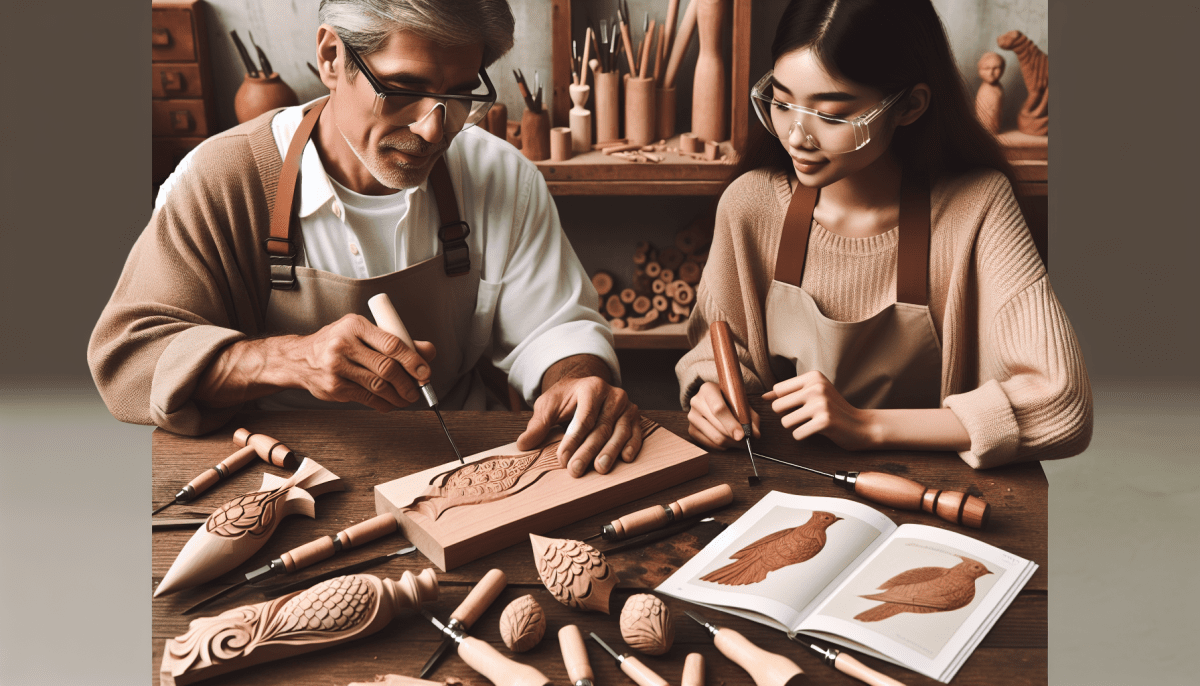
Next up, consider adding a few gouges to your toolkit. These come in different shapes and sizes, letting you create all sorts of designs. A simple V-gouge or a U-gouge gives you the flexibility to add details to your work without much hassle.
Don’t forget about a sharpening tool! Keeping your knife and gouges sharp will save you time and frustration. A good honing stone or a simple leather strop will keep those edges in top shape.
Lastly, grab a safety glove. It might not be the first item on your list, but it protects your hands as you carve away. A tiny slip with a sharp tool can lead to a big boo-boo, so better safe than sorry!
Choose the Best Wood for Your Project
Picking the right wood makes a big difference in your carving experience. If you’re just starting out, you want something that’s easy to work with and forgiving if you make a mistake. Softwoods like pine, basswood, or cedar are perfect choices. They carve smoothly and allow you to see your progress without too much hassle.
Basswood is a favorite among beginners. It has a consistent grain and is less likely to split or chip, which means you can focus on your design. Plus, it’s lightweight and easy to sand down, giving your projects a nice finish.
Pine is another solid option. It’s super affordable and widely available. Just be aware it can have knots, which may complicate carving in certain areas. If you hit a knot, just shift your design a bit and keep going!
If you want something a bit tougher and more durable, consider hardwoods like maple or cherry. They look beautiful and are great for projects that need to hold up over time. However, they can be a little challenging for beginners, so maybe save those for later when you’ve got more experience under your belt.
So, when you’re choosing your wood, think about what you want to create. Start with softer woods for practice and build your skills before moving on to the harder varieties. It’ll make your carving journey a lot more enjoyable!
Learn Basic Carving Techniques
Learning basic carving techniques is like discovering a new hobby that opens up a world of creativity. It’s a lot easier than you think! Start with a few simple methods, and you’ll be amazed at what you can create. Let's dive in!
First up, the push cut. This technique is great for removing larger chunks of wood. Hold your carving knife firmly and push it forward into the wood. Remember to keep your hands steady and use smooth pressure. This cut is all about control, so take your time getting the feel of it.
Next is the pull cut. This one’s like the push cut, but you’ll pull the knife towards you instead. It’s super handy for finer details and shaping your project. Always keep your fingers out of the way of the blade and work carefully to avoid slips. Pull cuts are perfect for making delicate curves.
Then, there’s the stop cut. This cut creates a clear edge that separates two areas of your carving. Start by making a vertical cut into the wood where you want your edge. It’s like drawing a line that helps guide your other cuts. This technique gives your piece definition and makes it look sharp!
Don’t forget about practice! Grab some scrap wood and try out these techniques. It’s okay if your first attempts aren’t perfect. The more you carve, the better you’ll get. And remember, carving should be fun! Enjoy the process and let your creativity flow.
Practice Safety and Proper Handling
Safety is super important when you're diving into wood carving. Before you even pick up your tools, make sure you have the right gear. Safety glasses are a must to protect your eyes from flying chips. A good pair of gloves can keep your hands safe, but be careful—some gloves can make it hard to get a good grip on your tools.
Don't forget about your workspace! Make sure you have a clean, well-lit area to work in. It helps you see what you’re doing and keeps you from tripping over any clutter. A sturdy table or bench makes a huge difference too, giving you a solid surface to carve on.
Always use your tools the right way. Keep your blades sharp; dull tools can slip and lead to accidents. When you’re carving, always cut away from your body. It might feel awkward at first, but it keeps you safer. And never rush—take your time to get it right.
Finally, when it comes to handling your wood, make sure it’s secured properly. Use clamps if you have them. This way, you won't have to worry about the wood moving around while you're focused on your carving. Remember, practicing safe habits now will help you enjoy this amazing craft for years to come!