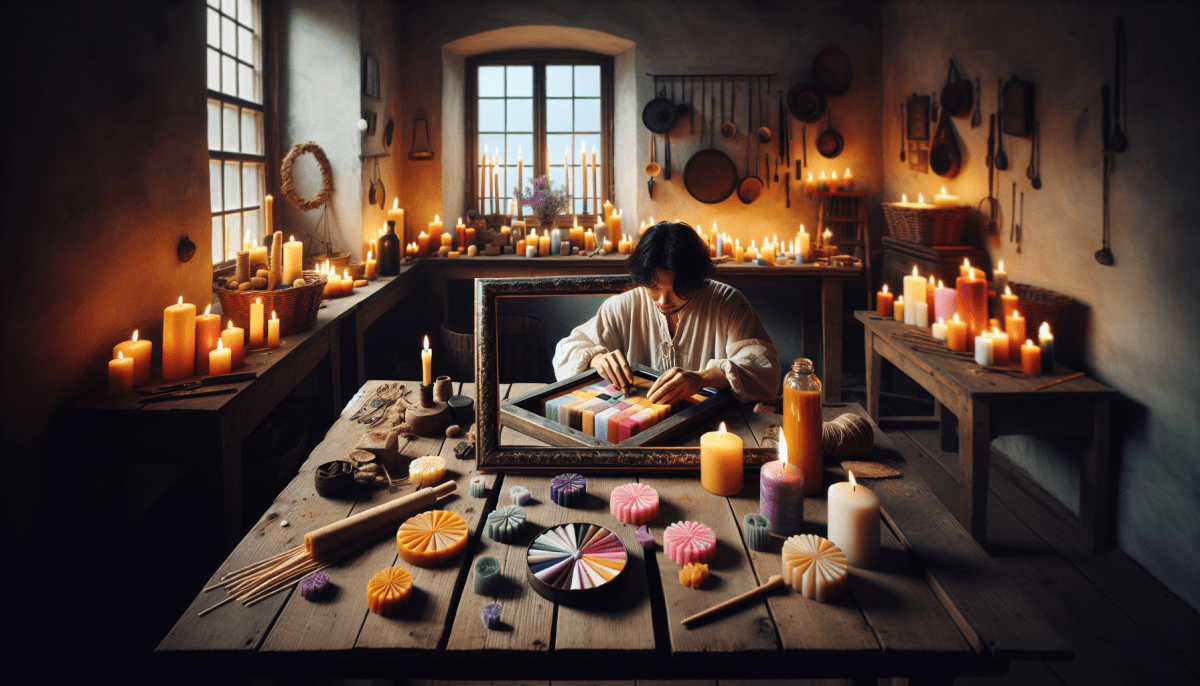
Paraffin wax is the most common choice. It’s affordable and easy to work with, which makes it great for beginners. It holds fragrance well, so if you’re into super scented candles, this is a solid pick. Just keep in mind it’s a petroleum byproduct, so if you’re looking for something more natural, you might want to pass.
Soy wax is a fantastic alternative. It’s plant-based, eco-friendly, and burns cleaner than paraffin. This means less soot and a longer burn time. Many candle makers love soy wax because it’s easy to blend with scents and colors. If you want a smooth finish, soy is the way to go.
Beeswax is another option that stands out. It’s natural and has a lovely honey-like scent. Beeswax candles burn longer and can even purify the air, which is a plus. They tend to have a unique texture, which can add a special touch to your creations. Just keep in mind that beeswax can be pricier than other types.
Lastly, palm wax offers a unique look with its crystalline texture. It’s another environmentally friendly choice, but make sure you source it sustainably. This wax has great scent throw and burns evenly, making it a nice option if you're after something a little different. Your wax choice will shape your candle-making experience, so take your time and pick what fits your needs best!
Picking the Best Wicks for Lasting Flames
Choosing the right wick is key for making candles that burn evenly and last longer. It might seem like a small detail, but it can make a big difference in how your candle performs. Wicks come in different sizes, materials, and styles, so let's break down what you need to know.
First off, consider the size of your candle. A wick that's too small won’t create enough melt pool, while a wick that's too big can burn too hot and cause soot. As a rule of thumb, bigger candles need thicker wicks. If you’re making a 10-ounce candle, for example, go for a medium-sized wick. Smaller containers work best with thinner wicks.
Next up is the wick material. Cotton and wood wicks are the most common. Cotton wicks are great for most applications and provide a consistent burn. Wood wicks add a charming crackling sound and unique look, plus they can sometimes burn longer. Just remember, wood wicks often need a bit of extra love in the form of a wider base for stability.
Don't forget about wick treatments! Pre-waxed wicks can save you time and help with the burning process. You might also find treated wicks that help with fragrance throw. If you’re making scented candles, you’ll want a wick that lifts those aromas nicely.
Lastly, always do a burn test with your selected wick. Light your candle and keep an eye on the flame. Make sure it burns evenly without any flickering or excessive soot. Adjusting your wick is part of the fun of candle making and is the best way to get a flame that lasts!
Fragrance Oils That Make Your Candles Shine
When it comes to candle making, fragrance oils are your secret weapon. They can transform your candles from plain to fabulous, filling your space with delightful scents every time you light them up. Choosing the right fragrance oil can make all the difference in your DIY candles, so let’s dive into some of the best options out there!
Start with classic scents like vanilla, lavender, and sandalwood. These are timeless and appeal to just about everyone. Vanilla gives a warm, cozy vibe, perfect for relaxing evenings. Lavender not only smells amazing but also helps create a calming atmosphere, making it ideal for bedrooms. Sandalwood offers a rich, earthy scent that many people find grounding.
If you’re feeling adventurous, try blending your own scents! Mix citrus notes like lemon and orange with fresh herbs like mint or basil. This can create a unique, refreshing aroma that really stands out. Just remember to test your blends in small batches before committing to a larger production.
Don’t forget about the importance of fragrance load! Most candles work best with a fragrance oil concentration of about 6-10%. This means if you have 1 pound (16 oz) of wax, you can add 1 to 1.6 oz of fragrance oil. Finding the right balance keeps your candles smelling great without being overpowering.
Happy candle making! With the right fragrance oils, you can create beautiful scents that make your candles shine and elevate your space. Get ready for some aromatic adventures!
Decorative Techniques to Make Candles Pop
Making candles is a fun and rewarding hobby, but why not take it a step further? Adding decorative techniques can really make your candles stand out. Here are some easy ways to make your creations pop!
First, consider adding color. You can use candle dye, crayons, or even natural materials like spices or flowers. Just mix in the color before pouring the wax. Keep in mind that different colors can also evoke different moods. Want something calming? Go for soft pastels. For a burst of energy, bright shades are your best bet!
Texturing is another cool technique. Try swirling multiple colors together for a unique marble effect. You can also layer different colored wax or sprinkle some glitter on top for a fun sparkle. Want a rustic vibe? Use a rougher mold or wrap twine around the jar for that earthy feel.
Lastly, don't forget about scents! Adding fragrance oils not only makes your candles smell amazing but can enhance the overall look too. Choose complementary colors that match the scent for a cohesive look. For example, a fresh lemon scent could pair with sunny yellow wax. Your candles will smell great and look fantastic!
These simple techniques can elevate your candle-making game. Experiment, have fun, and let your creativity shine! Your candles will not only light up a room but also serve as stunning decor pieces.


